
Concrete driveway building
When a driveway has cracked, sunk at the apron or holds water, we break it out, rebuild the base and pour a new slab built for the vehicles you park.
Good Form Riverview Concrete Company is a concrete contractor building driveways, patios, walks, steps, slabs and footings for homes and properties in Brandon, FL. We're based in Riverview, and our own crew does the work.
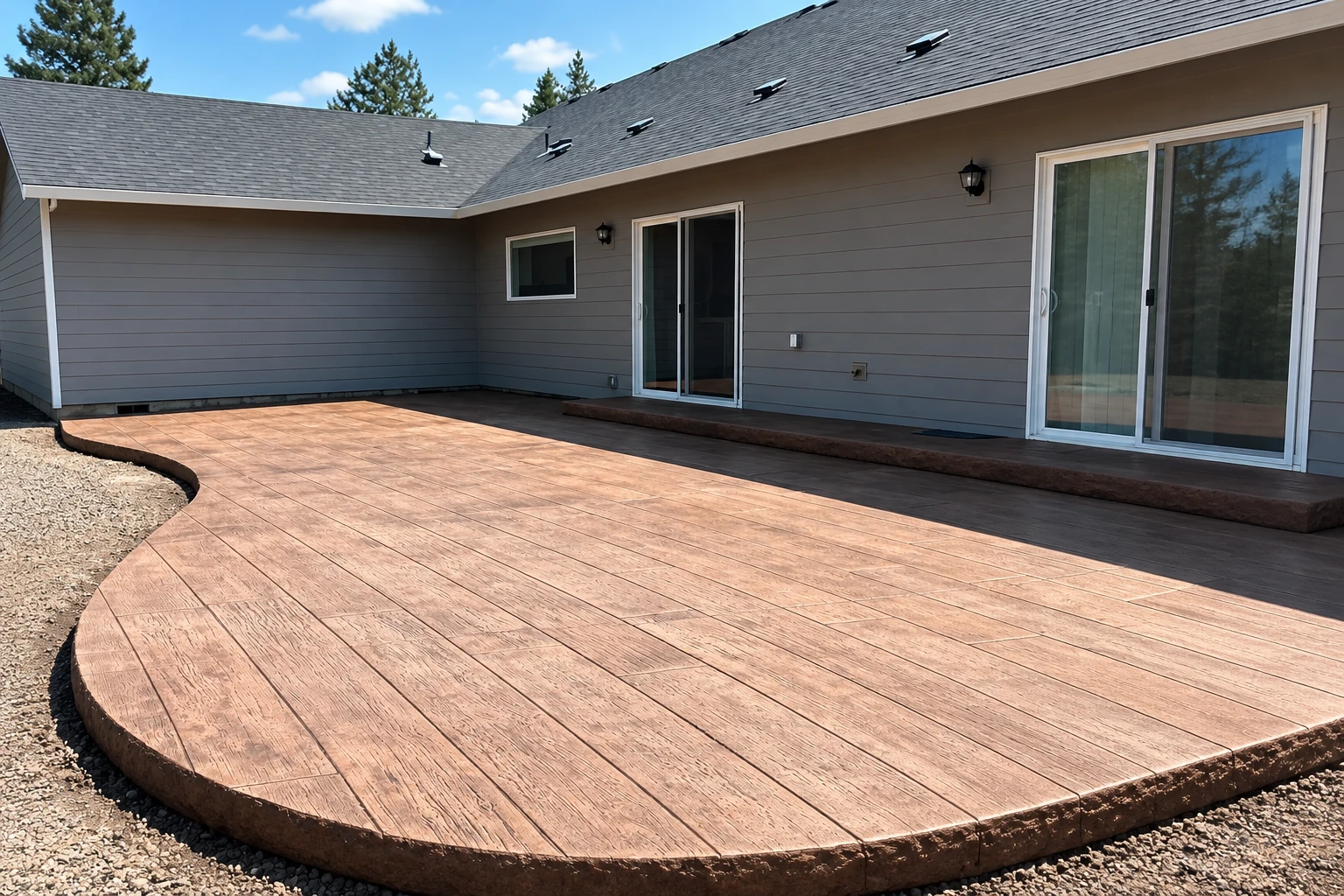
Good Form Riverview Concrete Company pours new driveways, patios, walkways, steps and garage floors for Brandon homeowners, and footings, slabs and foundations for builders and property owners. A lot of calls start with a cracked or sinking driveway, a patio that holds water, or steps that have pulled away from the house.
When an old slab cracks or sinks, the surface is usually showing what happened underneath. Most often the subgrade, the dirt and fill the slab sits on, was raked level instead of dug out and packed, so it settled and took the concrete with it. On a replacement, we break out the old slab, dig down to firm ground and compact a new base before any forms go up.
Water is the other thing we look at on every Brandon lot, because a patio or driveway that falls toward the house sends rain back at your foundation and leaves puddles on the slab. Before we set forms, we check where water runs off the roof and across the yard, so the new slab sheds it away. We make the same checks in Riverview and Mango.
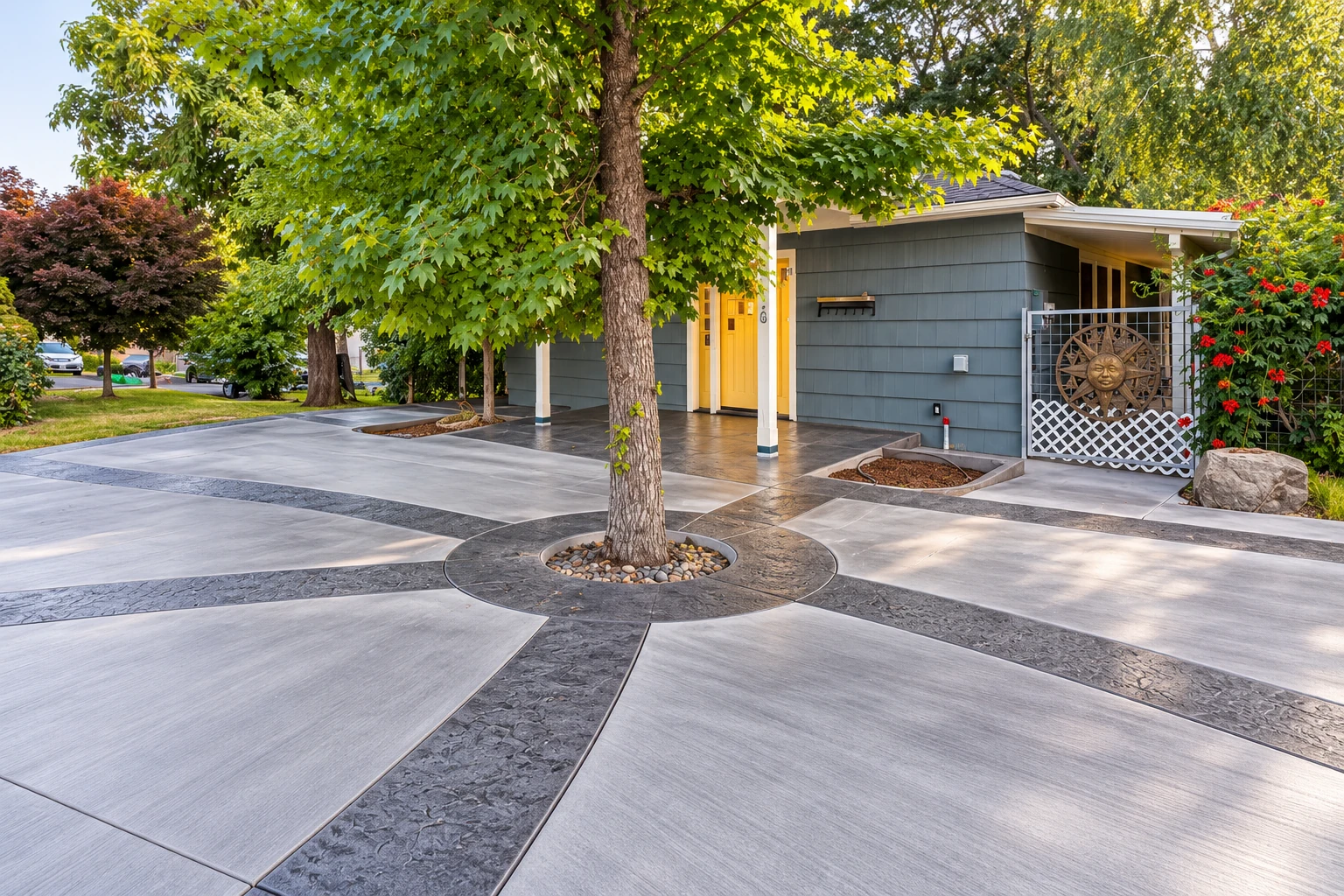
When a driveway has cracked, sunk at the apron or holds water, we break it out, rebuild the base and pour a new slab built for the vehicles you park.
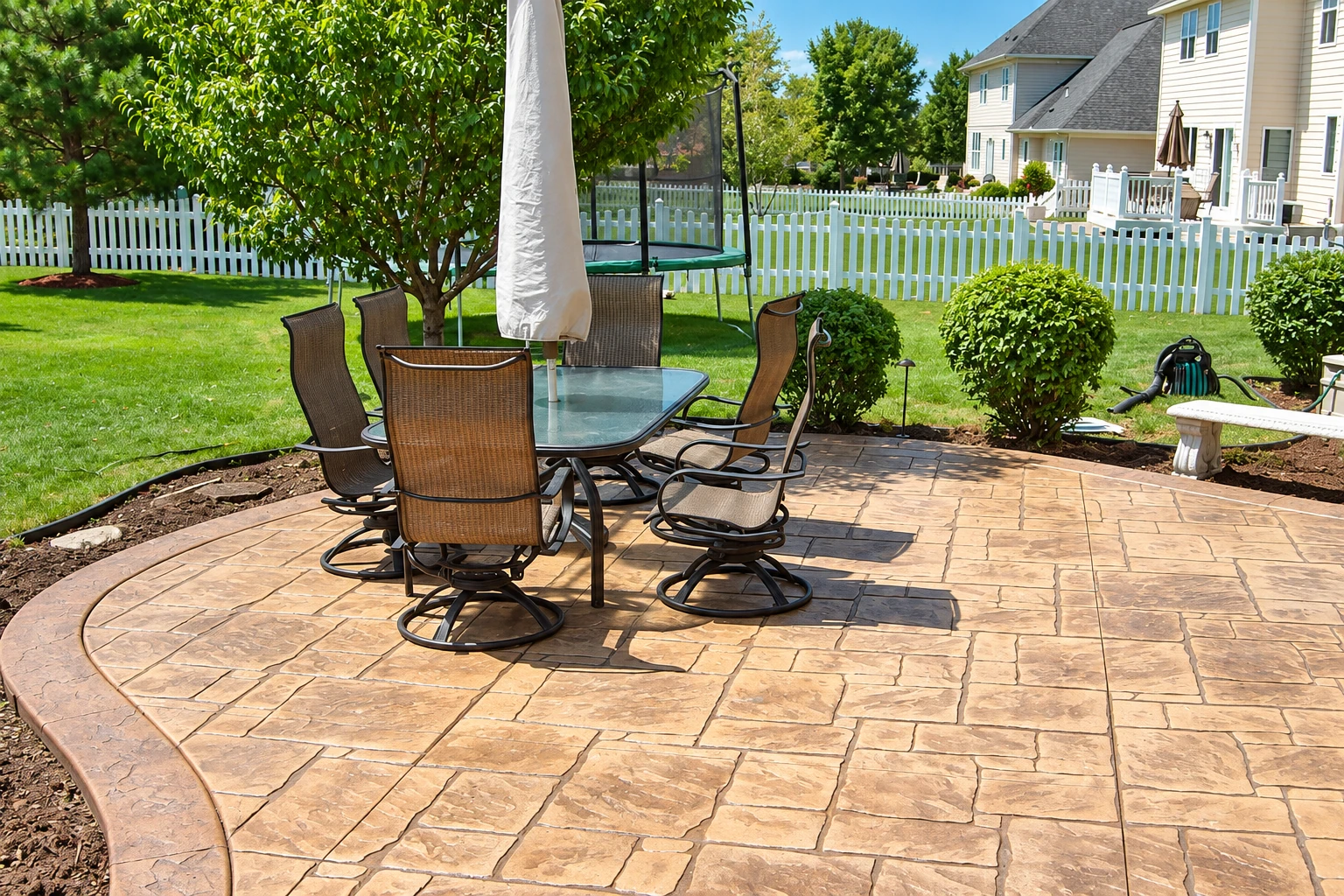
A backyard patio that tips toward the house or puddles after a storm gets dug out and re-poured with a slight fall that carries rain into the yard.
Stamped concrete gives a patio or entry the look of stone or brick, but the pattern won't hide a slab that settles, so the base prep stays the same.
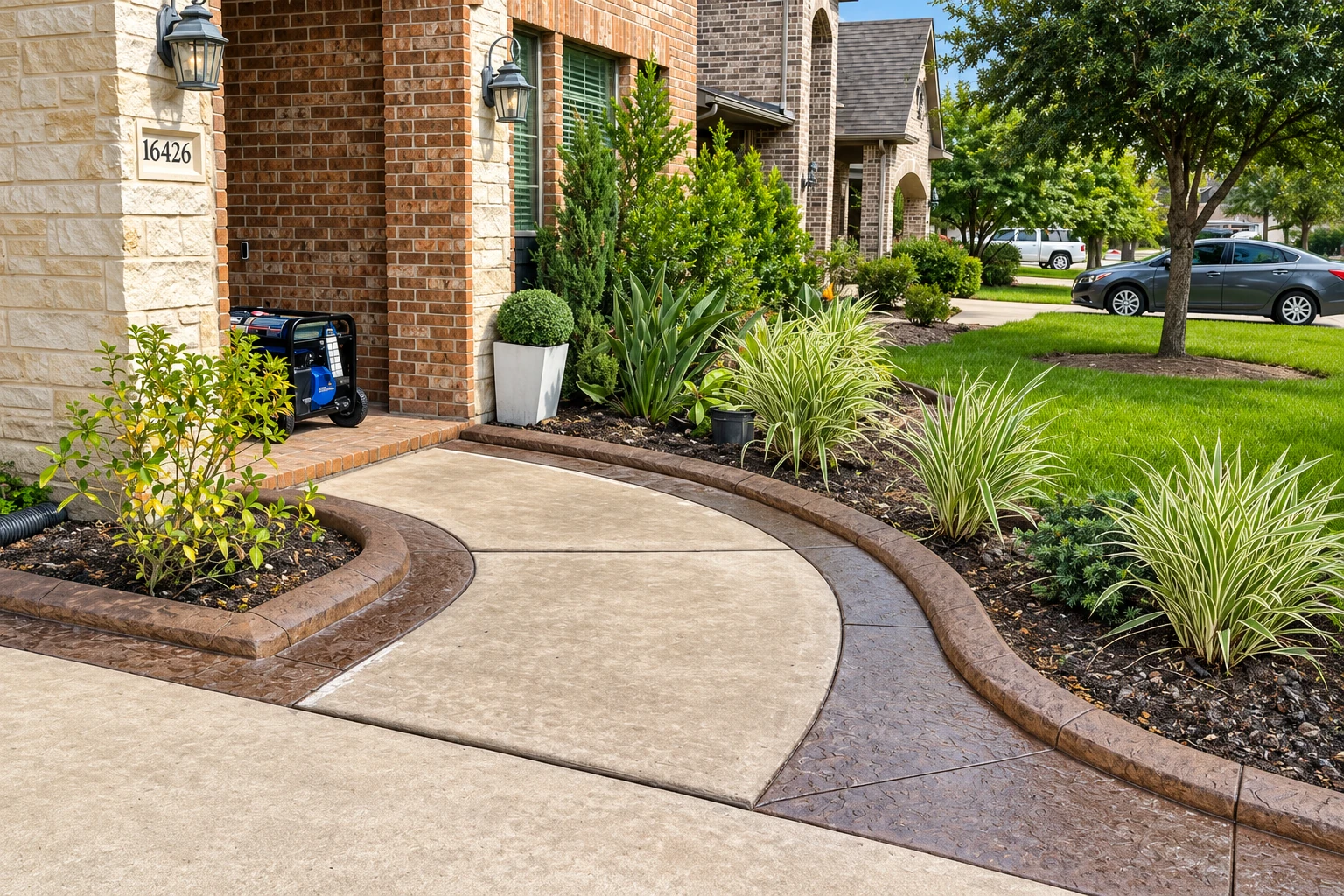
Walks to the front door or along the side of the house tend to heave near trees and settle at the edges, so we rebuild them on a packed base.
A garage floor that's cracked, pitted or uneven can be broken out and replaced with a new slab that drains toward the door and sweeps clean.
Color, stain or an exposed stone finish suits entries and outdoor areas when you want more than plain gray, and we'll tell you how each one holds up outside.
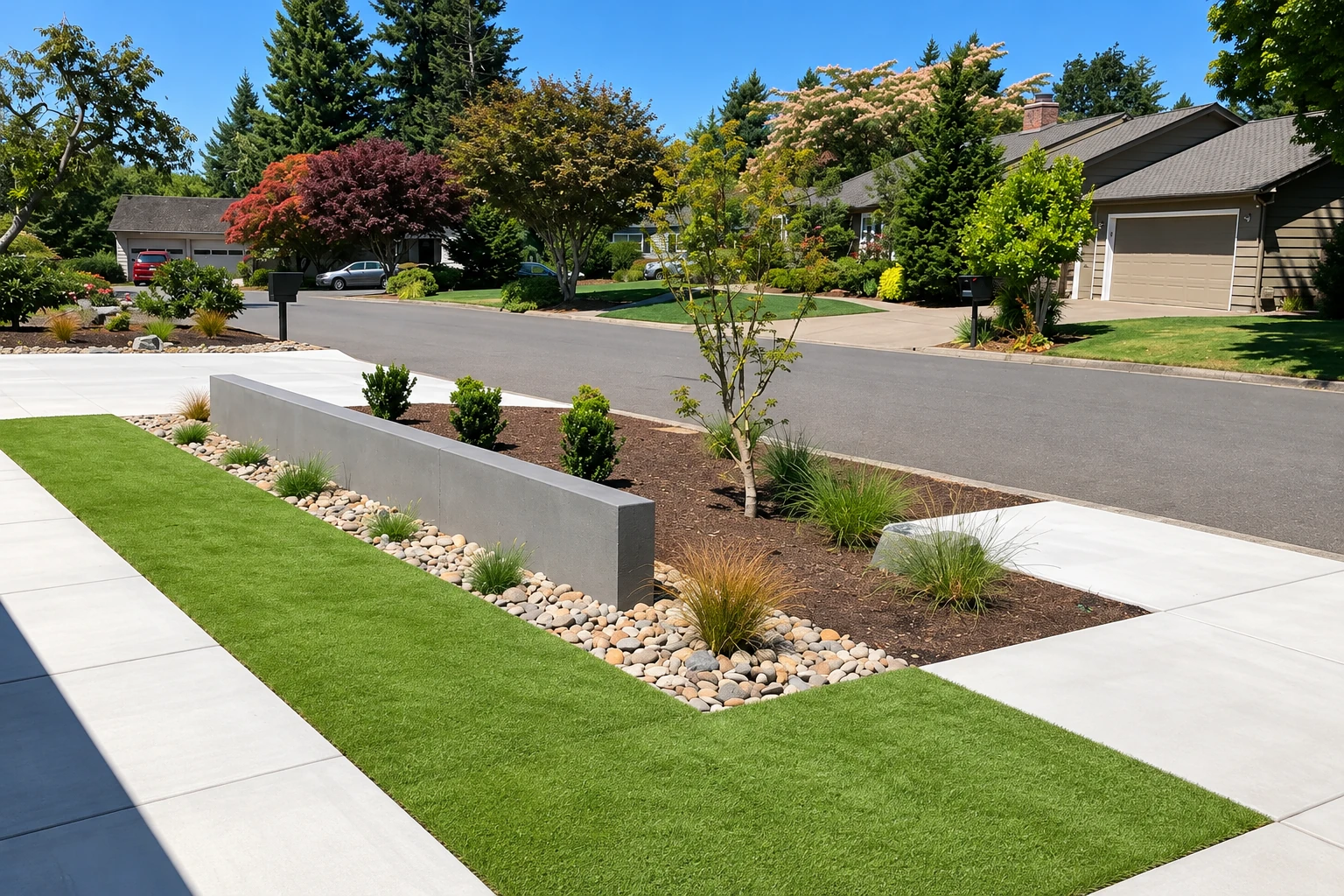
Where a yard steps down or a slope keeps washing onto a patio or drive, a concrete retaining wall on a proper footing holds the ground in place.
Interior slabs for additions, workshops and outbuildings get a packed base, a vapor barrier where the job calls for it and a finish suited to what goes on top.
Around a pool, the deck has to shed water away from the pool and the house and give bare feet some grip, so we plan the slope and texture first.
Front and back steps that have cracked or pulled away from the house get rebuilt at even heights on a solid base, so each step feels the same underfoot.
For builders and property owners putting up a home, addition or outbuilding, we form and pour the slab foundation level, square and true to the plans.
When a new structure needs a full foundation rather than a single slab, we lay it out, check the lines again and set forms before any concrete shows up.
Parking areas that have broken up under daily traffic need a heavier slab and base, plus drainage planned across the whole lot so water doesn't sit.
Footings carry the weight of walls, columns and additions, so we dig them to the size on the plans and check the trench before the pour.
When part of a slab or foundation has dropped and left cracks or gaps, we look at why it settled first, because raising it without fixing the cause won't last.
We saw-cut openings, trenches and clean removal lines in existing concrete, so new work can tie in without breaking out more slab than it needs.
Send the form and we'll reply within one business day to set a time for me to come out to your Brandon property. I look over the job and measure it myself, then write out a free estimate that shows what's included, with no obligation to go ahead.
(813) 471-5890Brandon is served by Hillsborough County government, so for most construction here the permit comes from the county's Building Services office. When a job needs one, the permit follows any site review the county requires, and the county checks plans against the Florida Building Code, so that approval has to come through before we set a pour date. The county takes permit applications online.
You can check two things about any contractor. In Florida, a certified contractor has passed the state exam the Department of Business and Professional Regulation requires, and a business working here needs a local business tax receipt from the Hillsborough County Tax Collector. We're fully licensed and insured, and for each address, here or in Gibsonton, we check whether the county or a city issues the permit, then pull it and handle the paperwork when one's needed.
Your price moves with the slab's size and thickness, how much old concrete comes out, how much base work the spot needs, whether steel rebar goes in to hold the slab together if it cracks, and the finish you pick. The schedule turns on the permit if there is one, the weather, and curing, which is the wait while new concrete hardens before it can take weight. Your written estimate lays out what's included.
I learned concrete as a helper on a small crew, hauling and setting forms long before I ran a job, and I started this business in Riverview in 2013. I come out myself to look over your job and measure it, and our own crew does the work with me running it, so the person who measured your slab is there when it's poured.
When a budget has to come down, the base is the first thing people want to cut, because nobody sees it once the concrete is in. I'd keep the base and simplify the finish. A dug-out, packed base and control joints, the grooves we cut so any crack follows a line we chose, decide how the slab holds up, and a nicer surface can't save a base that's settling.
I won't guess at what I can't see yet, so your estimate says what we know now and what we'll only know once the old slab comes up. Your satisfaction, guaranteed. When you're ready, call (813) 471-5890 or send us your project and we'll set a time to come look.
A few things about Brandon change how we plan a pour, from winter cold snaps to summer afternoons and the county's flood maps. Here's what each one means for your slab.
Brandon usually gets a few nights below freezing each year, unlike Tampa and Pinellas County, because it sits farther from the coast. Concrete that freezes before it has cured can lose strength at the surface, so in winter I watch the overnight lows before we set a pour date, and we cover a fresh slab when a cold night is on the way.
Heat causes the opposite trouble. Concrete poured in the middle of a hot day dries on top before it sets underneath, and that leaves a weak, dusty surface that chips later. We start pours early in the morning when we can, keep the slab damp while it cures, and would rather move a pour than finish it in the worst of the afternoon heat.
The county's floodplain maps mark the areas most likely to flood, and building in those areas comes with specific development rules. We look up where your address falls before we price the job, because a flood zone can change which permit rules apply, as the permit answer below explains, and how carefully we plan where water leaves the slab.
If your home is in a neighborhood with a homeowners association, check its rules before we set forms, since some associations have a say over driveway width, color or finish. Settling that on paper is easier than after the pour. Your written estimate spells out the size and finish, so you have something to hand the board if they want to see it first.
I give you a written price after I measure, because the cost turns on the size, removal and base work covered above. The finish you pick moves it too. A broom finish, the light ridged texture that gives tires and shoes grip, costs less than stamped or colored concrete, and the estimate shows each piece.
Porches and concrete fences need a permit, and for other work it turns on value, structure and flood zone. Non-structural work on a single-family home valued under $7,500 can be exempt, though you still apply through the county with a contract showing scope and value, and that doesn't cover structural work or homes in a flood hazard area. We check yours before we price it.
Yes, the county lets owners pull their own permits, and a hired contractor gets all the permits the job needs. As an owner-builder, the deed has to be in your name, the work is for your own use, and you can't sell, lease or rent the property for one year after the project is done. When you hire us, we pull it.
Work started without a permit has to stop right away, and the owner contacts the county at permitting@hcfl.gov about an After-The-Fact permit. Carrying on with the work can bring a citation of up to $500 per violation. If you're calling us to finish a half-done slab, we'll want the permit settled before we pour.
It shouldn't crack the same way, because the cracks on most old driveways come from a base that settled and joints cut late or skipped. We dig out and pack the base, then cut the control joints on time, so if the slab does crack, the crack runs in the groove instead of across the middle.
You can walk on a new driveway well before you can park on it, and I give you both dates on pour day, because curing runs slower in cool weather and faster in heat. Driving on it early can crack a slab that looks done but hasn't hardened all the way, so plan where the cars go before we start.
Clear the area and leave a path for the truck or our wheelbarrows, and move cars, planters and anything stored near the slab before we start digging. Mark sprinkler heads and lines close to the work so we can protect or move them, and keep pets and kids clear on pour day while the concrete is wet.
Our hours run 6 AM to 11 PM, seven days a week, so you can call (813) 471-5890 after work or on a weekend, or send the form whenever it suits you.