Concrete driveway building
When your driveway has cracked through, sunk at the edges or holds water, we tear it out, dig and pack a new base, and pour a slab that drains.
Good Form Riverview Concrete Company is a concrete contractor based in Riverview. In Ruskin, FL, we pour driveways, patios, walks and steps for homeowners, and footings, slabs and foundations for builders and property owners.
Good Form Riverview Concrete Company builds and replaces concrete across Ruskin. That can be a cracked driveway that's sunk at the edges, a new patio, a walk to the front door or a set of steps. We also pour the footings and slabs that builders and property owners need before anything goes up.
Most calls from Ruskin start with something the homeowner can see. A driveway has a crack running across it, a patio has dropped away from the house, or water sits in the same spot after every summer storm. Those are usually signs of trouble under the concrete, not in it, so the first thing I look at is the subgrade, the packed ground the slab sits on.
Ruskin sits close to Tampa Bay. The jobs we see here run from older homes that need a worn driveway or walk replaced to newer houses where the owner wants to add a patio, a wider drive or a pool deck. We're based in Riverview and do the same kind of work in Apollo Beach and Sun City Center, so our crew already knows the ground and the weather down here.
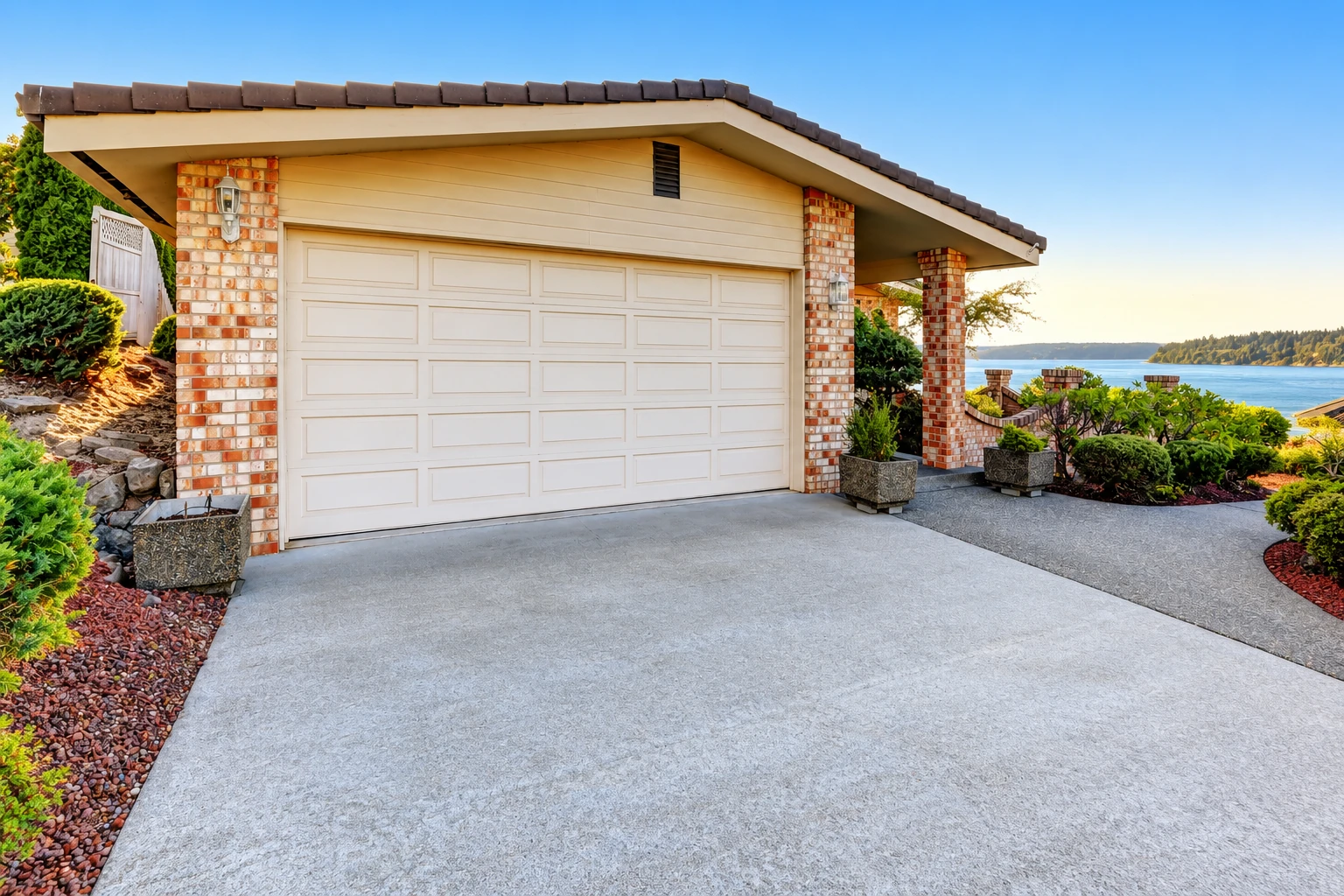
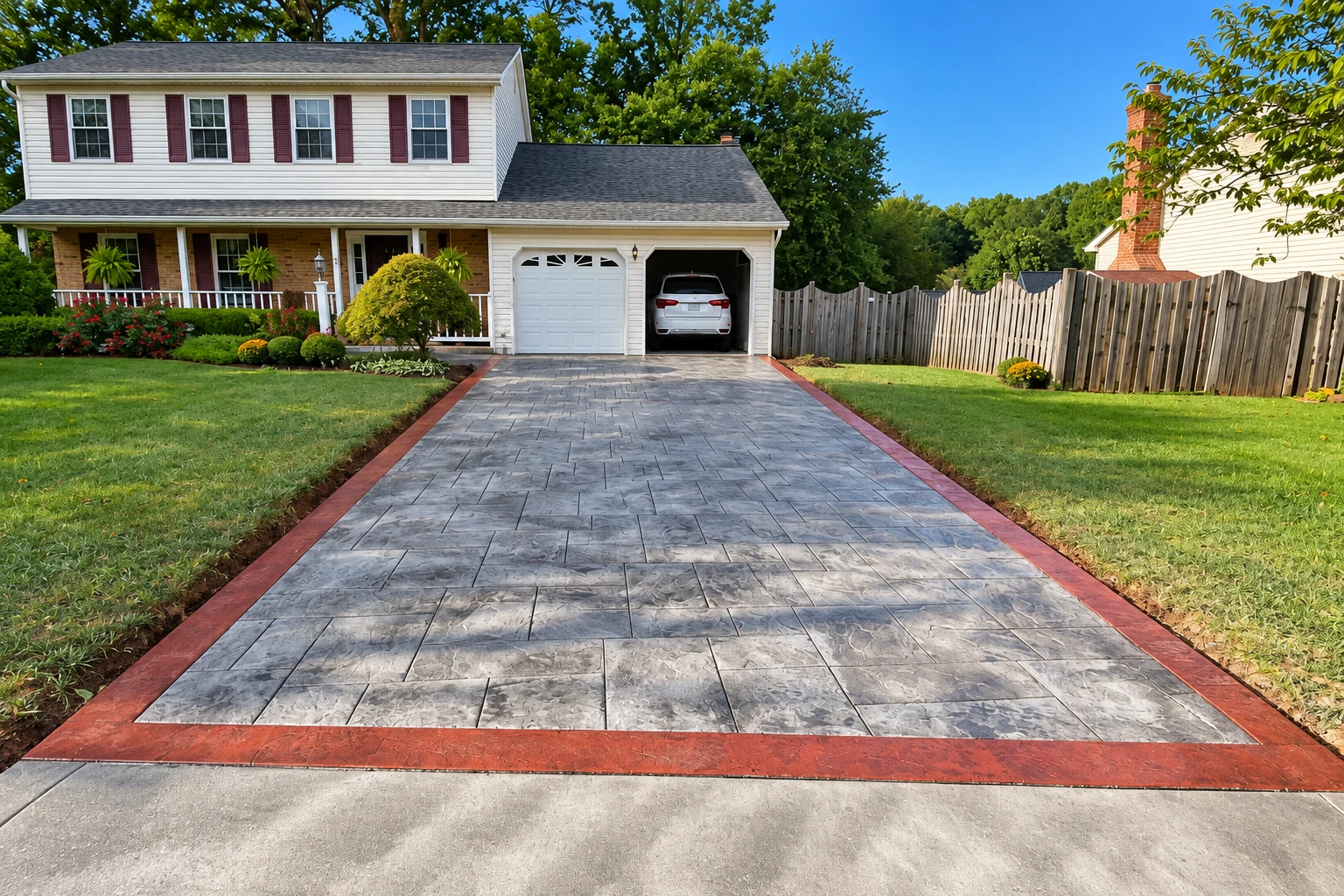
When your driveway has cracked through, sunk at the edges or holds water, we tear it out, dig and pack a new base, and pour a slab that drains.
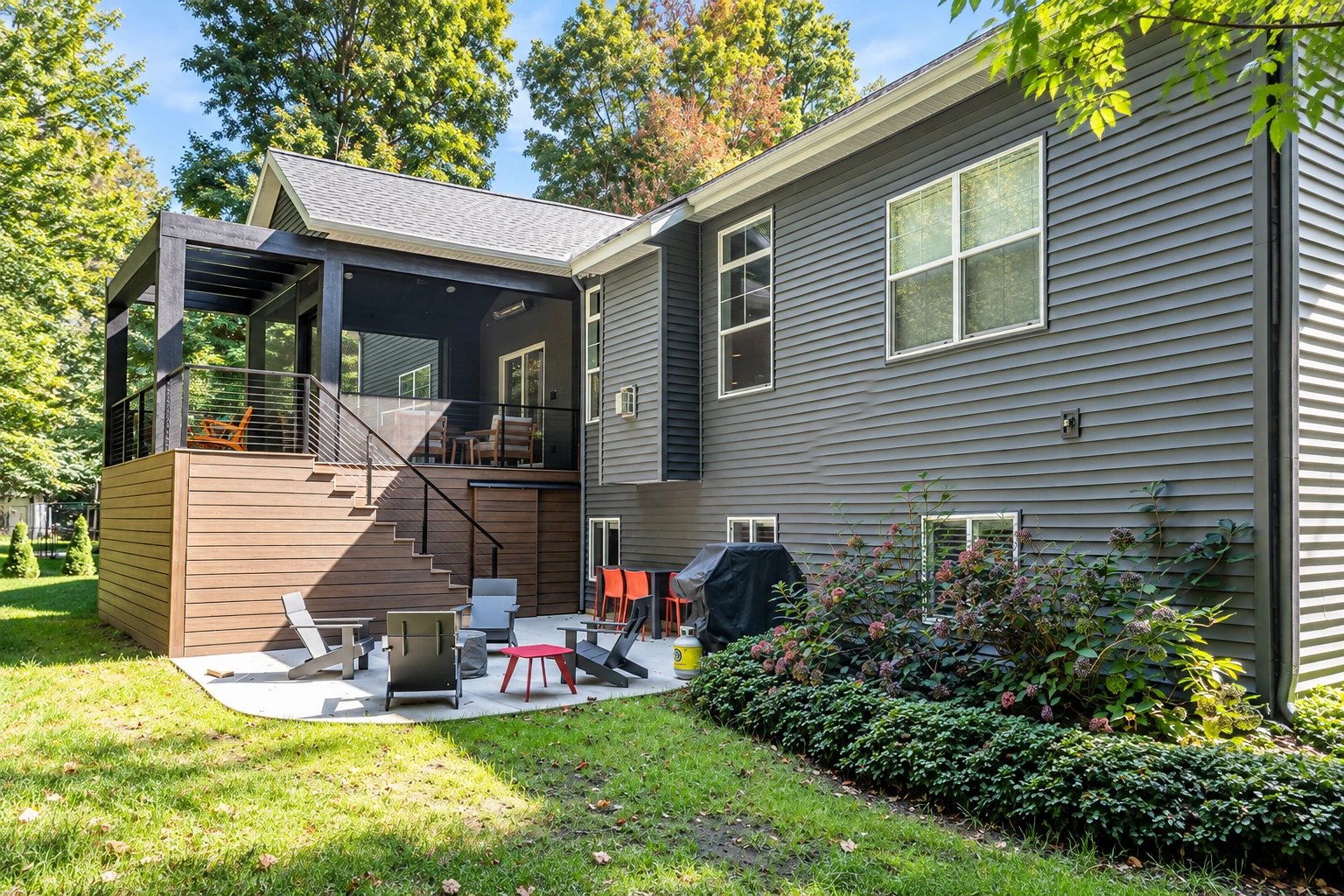
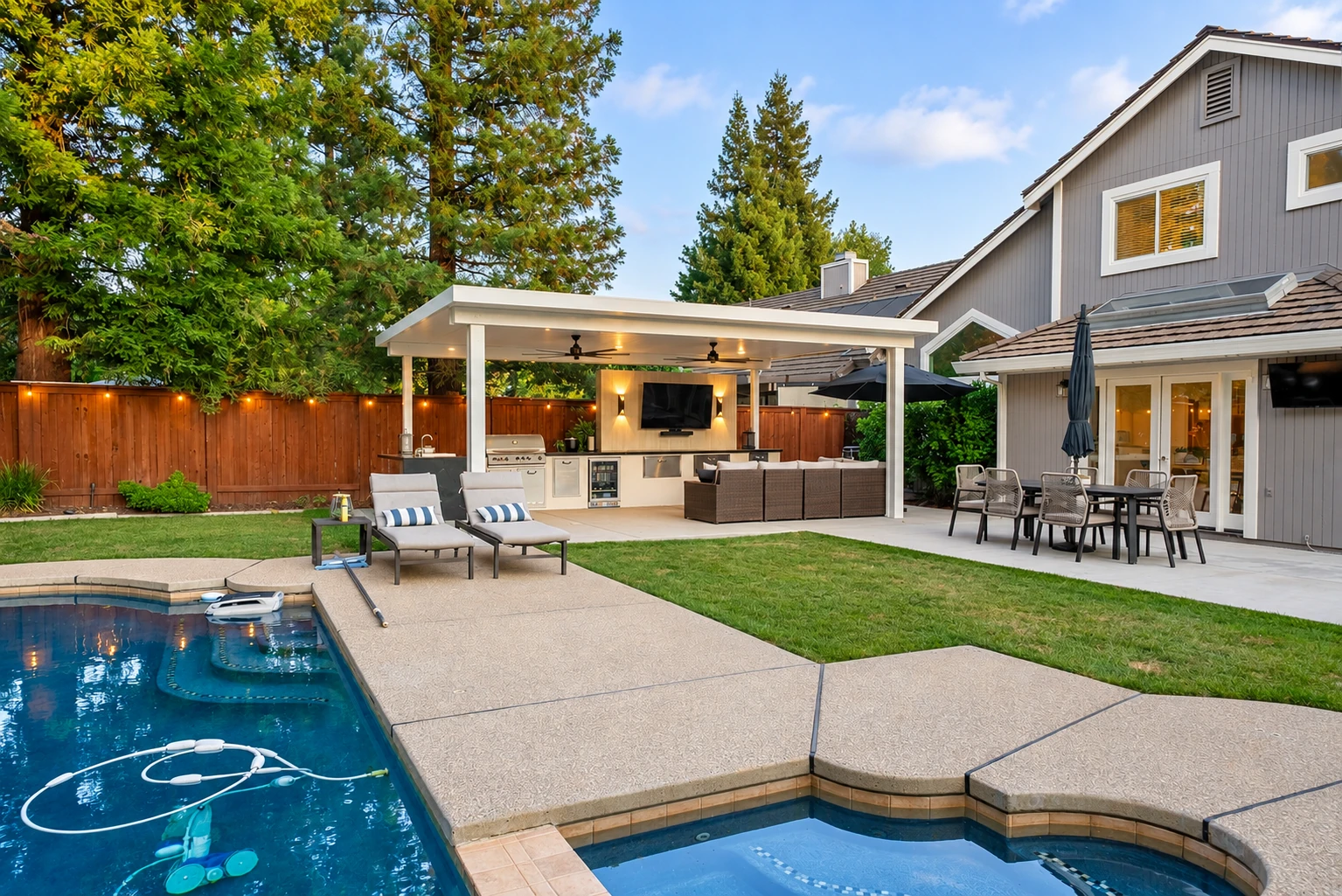
A back patio gives you somewhere flat to sit, and we slope it so rain runs out into the yard instead of under your back door.
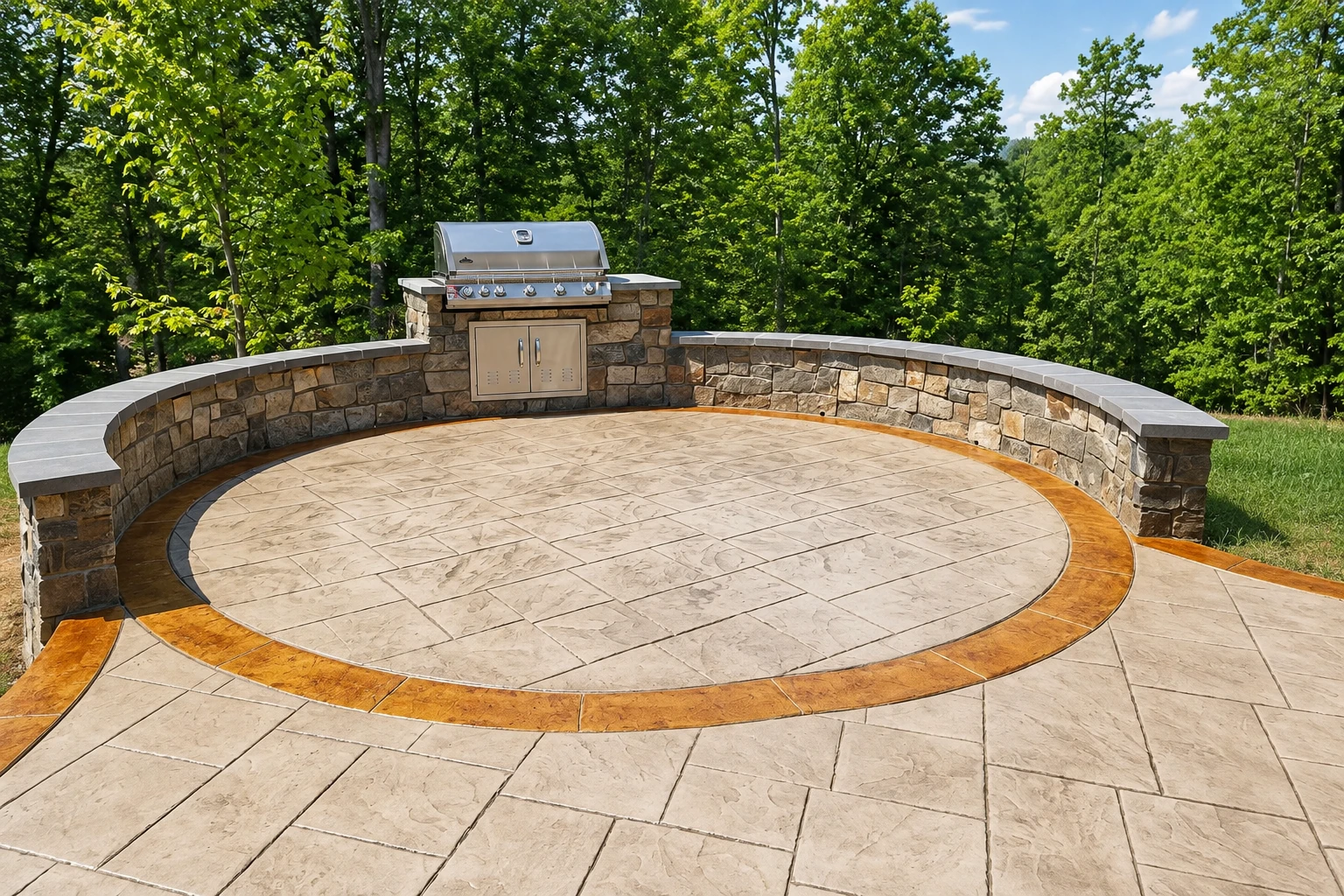
Stamped concrete suits a patio or walk where you want the look of stone or brick, pressed into the surface while it's still soft, on a packed base.
A new walk helps when the old one has heaved or broken into edges people trip on, and we set its line and slope so water doesn't sit on it.
When a garage floor is pitted, cracked or uneven, we replace it with a slab built to carry a car's weight and drain toward the door.
Decorative concrete covers color, exposed stone and patterned finishes for a front walk or entry. You choose at the estimate, so we price the finish you actually want.
A concrete retaining wall holds back soil where a yard steps down or a slope keeps washing onto a drive, with drainage behind it so water doesn't push it over.
We pour interior concrete floors for additions, workshops and outbuildings, set level and smooth enough for whatever goes on top of them.
A pool deck has to shed splash and rain away from the pool and the house, with a surface that isn't slick when it's wet underfoot.
New concrete steps help when the old ones have cracked, pulled away from the house or have uneven risers, and we form each step to the same height.
For a new home, addition or outbuilding, we build the slab foundation on a dug-out, packed base, with rebar, the steel that holds the concrete together.
Builders and property owners call us to lay out and pour foundations, and I check the lines and the forms before any concrete arrives.
Concrete parking areas suit businesses and rental properties that need a lot to carry steady traffic and drain without leaving standing water by the entrance.
Footings are the concrete under a wall, column or porch post that spreads its weight into the ground, and we dig and pour them to the plans.
When part of a slab or foundation has settled, raising it can bring it back level, though I'll check what made it sink before suggesting that fix.
We saw-cut concrete for a clean line where a slab meets new work, to cut joints, or to open a section for repairs without breaking up the rest.
We reply within one business day to set a time, and I come out to your Ruskin property myself to look over the job and measure. The estimate is free and written out so you can see what's included, and you're under no obligation to go ahead.
(813) 471-5890Ruskin isn't an incorporated city, so Hillsborough County Development Services issues the permits and does the inspections here. Plans go through county review first, and that review sets the start date more than anything we do. I check your address to confirm which office it falls under. When the job needs a permit, we pull it and handle the paperwork.
You can check two things about any contractor before you sign. The county requires a valid contractor license for permitted work. A license certified by the Florida Department of Business and Professional Regulation is good statewide, while a registered one only covers the places where the holder is certified to work. The county Tax Collector also requires a local business tax receipt before a business can work in Hillsborough County.
Your price mostly comes from the size of the slab, how much old concrete has to come out, how much digging and fill the base needs, and the finish you choose. The schedule turns on the permit, the weather and curing, which is the stretch of days a new slab needs before it can take weight. Your written estimate spells out what's included for your job.
I learned concrete as a helper on a small crew, setting forms and pulling screed long before I ran a job, and I started this business in Riverview in 2013. I still come out myself to look over the job and measure. Our own crew does the work with me running it, so the person who wrote your estimate is the one checking the lines on pour day.
When a budget gets tight, I'd rather trim the finish than the base. The base is covered on the first day and nobody sees it again, but it decides whether a slab settles with the dirt under it or stays where we put it. That's why we dig out soft ground and pack the fill instead of raking it level. A plain finish can be dressed up later, but a bad base can't be fixed without tearing the slab out.
We're fully licensed and insured, and I'll tell you what I don't know about your job yet instead of guessing at it. Your satisfaction, guaranteed. If you want me to look at your driveway, patio or slab, call (813) 471-5890 or send us a note through the contact form.
Most of what goes wrong with a slab here starts with the ground under it, the water around it or the heat on pour day. Here's how each one changes the way we build.
On flat lots near the bay, rain doesn't always run off on its own. A slab that falls even slightly toward the house sends water against the foundation and under the doors. Before we set forms, I check where the water runs now and where it should go. Then we set the slope so the slab carries rain out to the yard or the street.
The most common reason a slab sinks is a base that was raked smooth instead of dug out and packed. Loose fill keeps settling, especially after heavy rain, and the concrete goes down with it. We dig out soft soil, bring in fill where it's needed and pack it in layers, so the slab rests on ground that has already done its settling.
A slab poured in midday Florida heat dries on top before it's finished. That can leave a weak, dusty surface that flakes and wears sooner than it should. When we can, we schedule pours for the early hours, and we keep the surface damp while it cures so the top hardens as well as the rest of the slab.
Many replacement jobs in Ruskin start with tearing out an old driveway or patio that has cracked, sunk or heaved. Where the new slab meets concrete that stays, like a garage floor or a public sidewalk, we saw-cut a straight line instead of breaking it off ragged, so the new edge lines up cleanly. Then I look at what the old slab sat on before we pour anything.
We give you a written price after I measure, because the size, how much old concrete comes out and what the ground underneath needs are different on every lot. A broom finish, the light texture that gives tires and shoes grip, costs less than stamped or colored work. If something can't be known until the old slab is up, I'll say so in the estimate.
We find out before work starts, because the county's list of work that needs no permit covers cosmetic jobs like painting and tile, not concrete. Some non-structural home work under $7,500 can qualify for an exemption, but you still have to file an application with the contract, and the exemption doesn't cover structural work or property in a flood hazard area. When your job needs a permit, we pull it.
Usually yes, because Florida lets homeowners act as their own contractor if the property is in their name and it's their primary residence. You sign an owner-builder disclosure statement, and you can't sell the house for one year after the work is done. The county's homeowner permit page explains how to apply.
FEMA's flood maps set the building and flood insurance requirements for a property, and the county notes that its floodplain maps leave out coastal storm surge. A property that sits partly or fully in a flood hazard area also can't use the permit exemption for small jobs. You can look up the county's flood maps yourself, and I'll ask about yours when we talk about drainage.
Concrete can still crack, but a packed base, rebar and well-placed joints help keep cracks small and where we planned them. Rebar holds the pieces together if a crack forms. Control joints are grooves we cut on time so the slab cracks along them instead of across the middle. Old slabs usually crack because one of those steps was skipped.
You stay off it while the concrete cures, and foot traffic comes back well before your car does. Heat, rain and the mix all change how fast that happens, so on pour day I'll tell you when it's ready for walking and when it's ready to drive on. Plan to park on the street until then.
Move cars, trailers and anything stored along the edges of the work area, and show us where sprinkler heads or lines run nearby. Tell us about any buried cables or septic lines you know of, because we dig out the base before the forms go in. On pour day, keep pets and kids clear while the crew works the concrete.
We're open from 6 AM to 11 PM every day of the week, so you can call (813) 471-5890 before work or after dinner, or send the project form whenever it suits you.