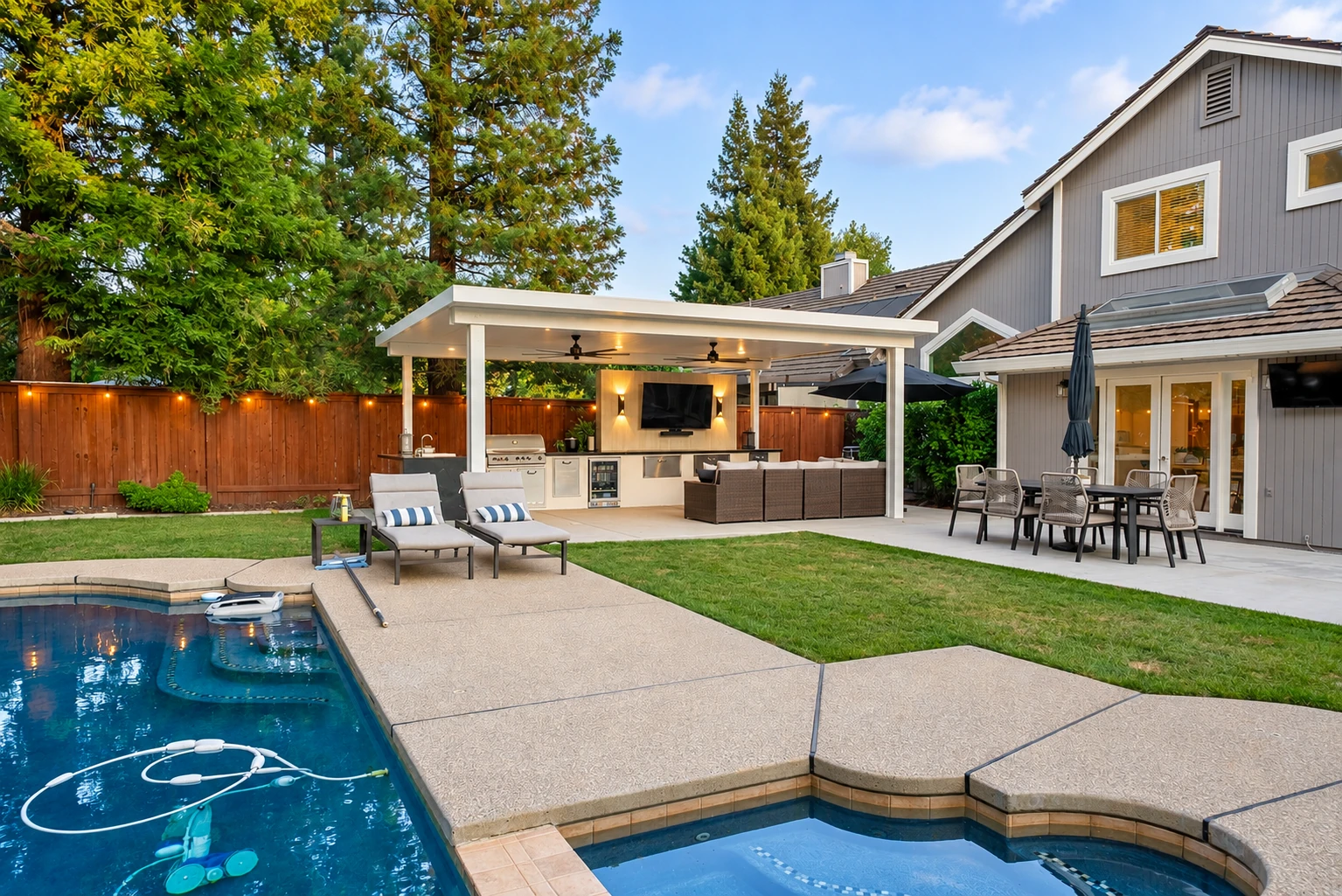
Concrete driveway building
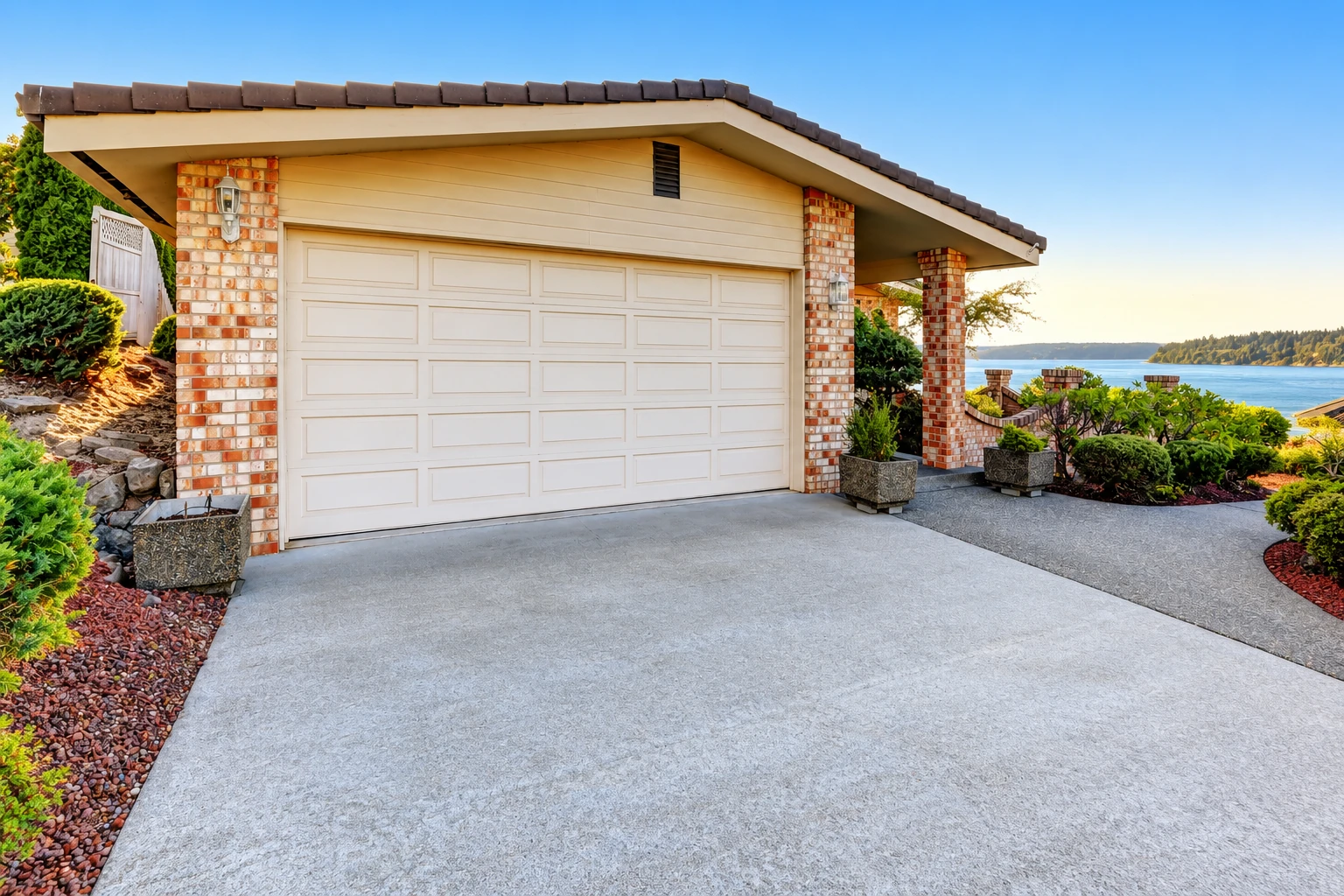
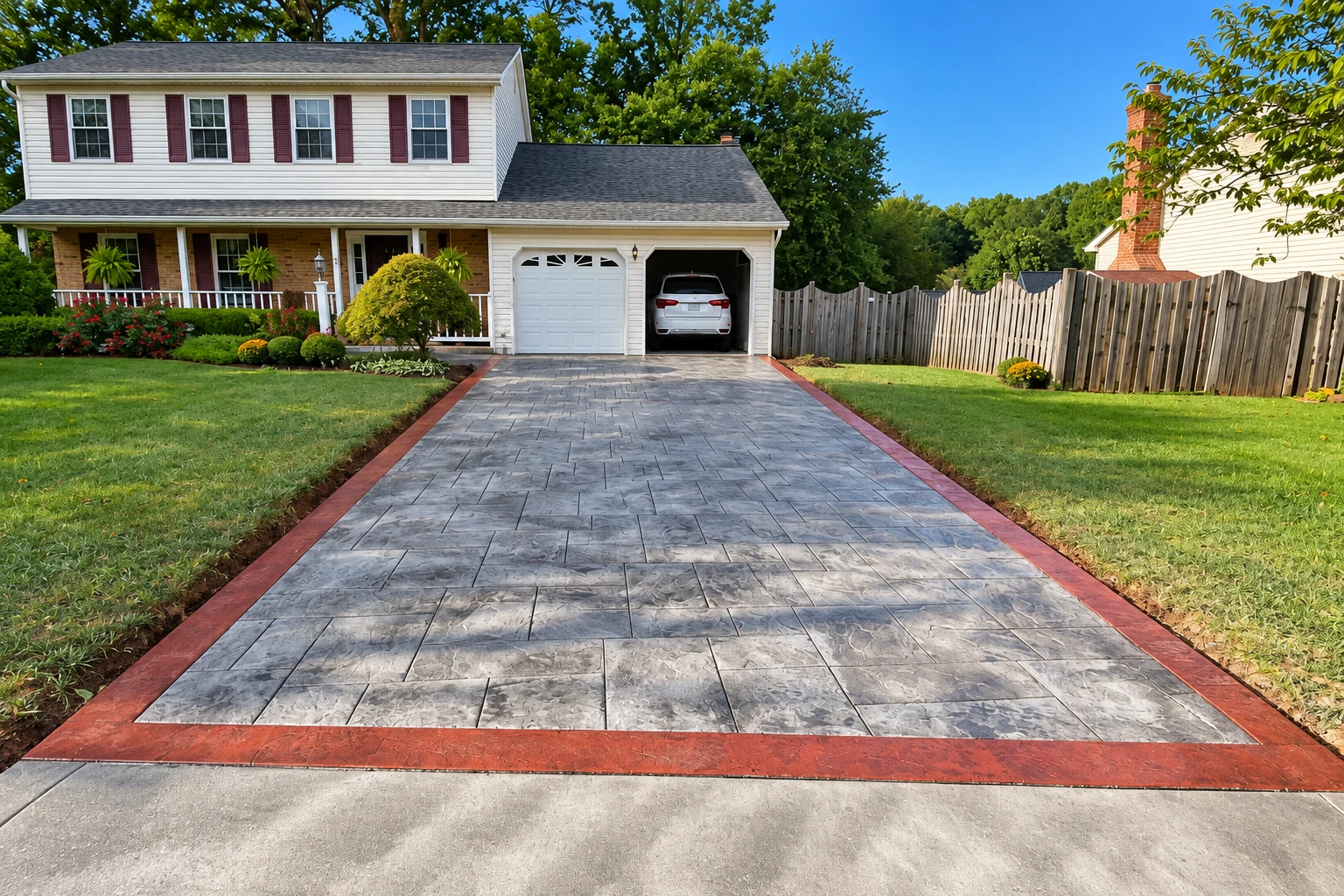
When your driveway has sunk at the garage or split across the middle, we tear it out, rebuild the base and pour a new one.
Good Form Riverview Concrete Company is a concrete contractor based in Riverview, FL. We pour driveways, patios, walks, steps, pool decks and foundation slabs for homes and builders here, and I run every job with our own crew.
Good Form Riverview Concrete Company is based right here in Riverview. Homeowners here call us for driveways, patios, front walks, steps and pool decks. Builders and property owners call us for footings, slabs and foundations. Most of it is replacing concrete that has settled or cracked, and some of it is new work on an empty patch of ground.
A lot of the work here starts with something you've watched get worse for a while. It might be a driveway panel that has sunk at the garage lip, a patio where water sits after a storm, or a walk that has heaved and chipped at the edges. The cause is usually under the slab, a base that was raked flat instead of dug out and packed, so it settled along with the dirt.
When we replace a slab, we break out the old one, dig down and pack the subgrade before we set any forms. The subgrade is the soil and base the slab sits on. Then we check where your water will run, because a patio that falls toward the house sends water at your foundation. We do the same work in Brandon, Gibsonton and across the county.
When your driveway has sunk at the garage or split across the middle, we tear it out, rebuild the base and pour a new one.
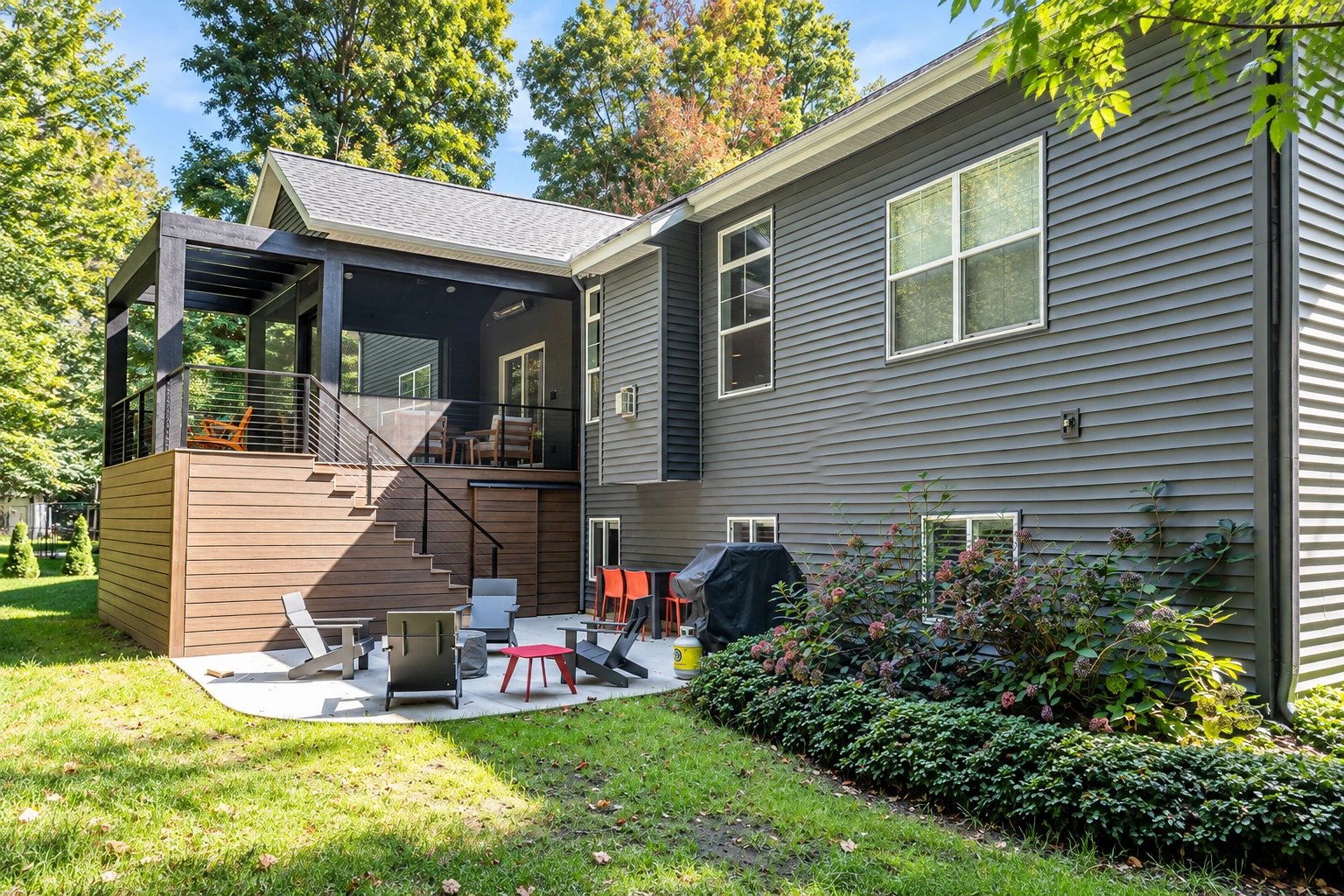
This covers a new patio off the back slider or a replacement for an old one that holds water. We pour it with a slight fall away from the house so rain runs off.
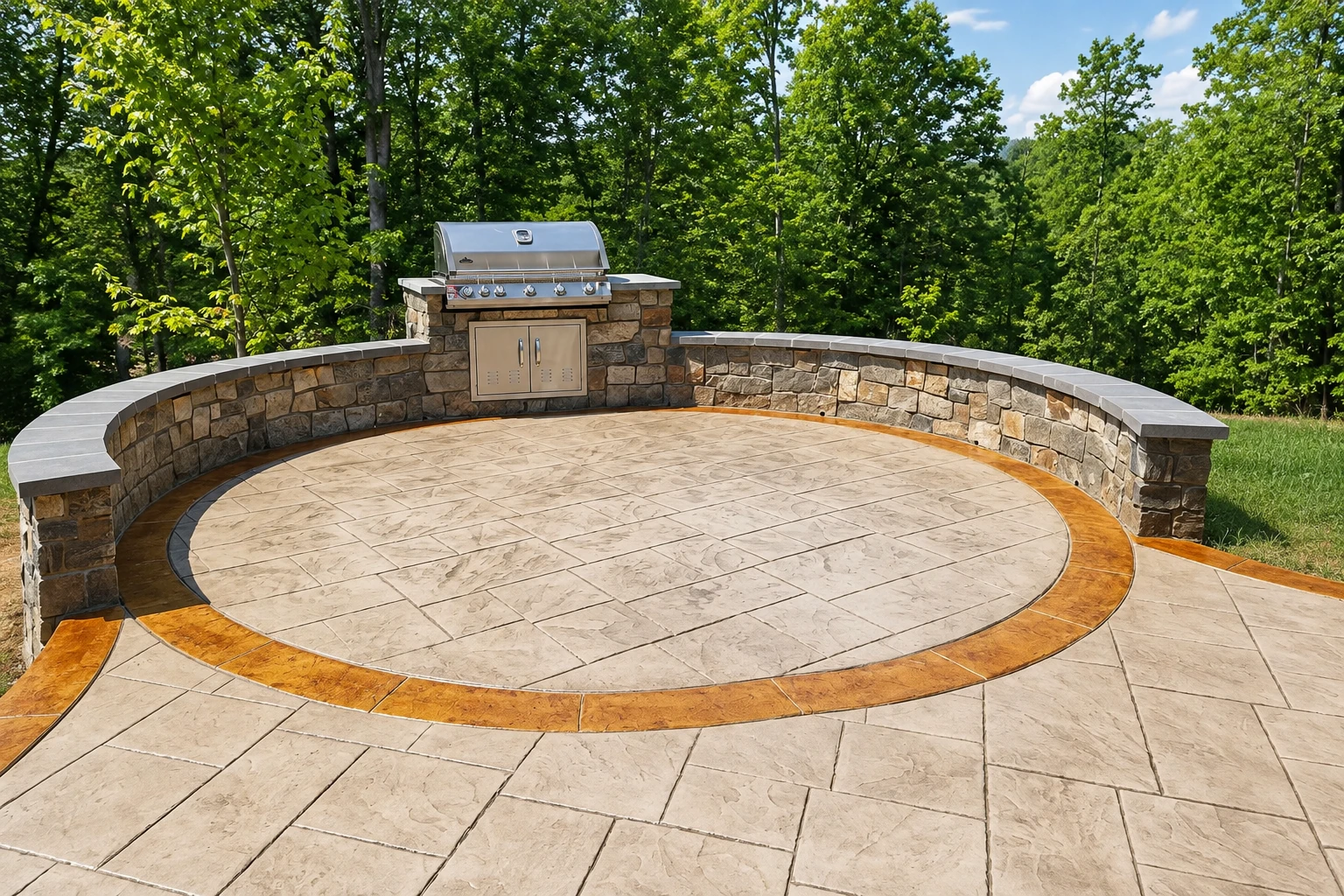
Stamped concrete gives a patio or walk the look of stone or brick in one pour. It still needs the same packed base underneath.
A front walk that has heaved, chipped or started tripping people gets replaced in straight, even panels. We give it a broom finish, a light texture that adds grip.
A garage floor that's cracked, stained or sunk at the door can be broken out and repoured as a flat slab that drains toward the door.
Decorative concrete means color, exposed aggregate and borders. It's for when you want a driveway or patio that looks finished without giving up a solid slab under it.
Where a yard steps down or the grade pushes against a slab edge, a concrete retaining wall holds it in place. We build it on a footing with steel inside.
We pour concrete floors for additions, workshops and outbuildings, level and on a packed base, so whatever you finish on top starts flat.
Around a pool, we pour a deck with texture for wet feet and a fall that carries splash water away from the pool and the house.
Front or back steps that have cracked, sunk or pulled away from the house get rebuilt with even risers, so nobody misjudges a step.
Builders and owners call us for house and addition slabs. We set the forms, steel and base to the plans before anything is poured.
For a new structure, we lay out and pour the foundation to the plans. We check lines and levels more than once before the truck shows up.
We pour parking areas for businesses and rental properties, thick enough for the traffic they'll carry, with joints and drainage laid out before the pour.
Footings carry walls, columns and additions, so we dig them to the plans, set the steel and pour them clean before anything goes on top.
When a slab or part of a foundation has settled, we look at what moved and why before we talk about raising it back.
Concrete cutting can open a slab for a new drain or line, remove a damaged section, or square up an edge so new concrete meets old cleanly.
Send the form and we'll reply within one business day to set a time. I'll come out to your Riverview property myself to look over the job and measure. The estimate is free and comes written out so you can see what's included, with no obligation.
(813) 471-5890Riverview isn't an incorporated city, so Hillsborough County is the government you deal with. The county's Building Services issues permits for most construction here. When your job needs a permit, the pour waits until it's issued, so the permit can set the start date as much as our calendar does.
Before you hire anyone, two things are worth checking. Florida licenses contractors in one of two ways, by state certification exam or by registration on a local certificate of competency, so ask which one your contractor holds. Every contractor working here also needs a county business tax receipt. We're fully licensed and insured. I also check whether your address falls under the county or a city like Tampa, and when the job needs a permit, we pull it and handle the paperwork.
What moves the price most is the size of the slab, how much old concrete comes out and how much base work it takes to get to solid ground. The finish you pick and any steel matter too. The schedule turns on the permit, our crew's calendar and the curing wait before you can use it. Your estimate lays those out for your job.
I learned this trade as a helper on a small crew, hauling, setting forms and pulling screed. I started Good Form here in Riverview in 2013. I still come out myself to look over each job and measure, and our own crew does the work with me running it, so the person who looked at your job is the one checking the lines.
If a budget has to give somewhere, I'll tell you to cut the finish before the base. The base is buried on day one, so it's the easiest thing to skimp on. But a stamped surface over raked dirt settles just like plain concrete would. A plain broom finish over a base that was dug out and packed makes the better slab.
Some things about a job don't show until the old slab is out. When that happens, I'll tell you what we found instead of guessing. Your satisfaction, guaranteed. Call (813) 471-5890 or send us the form to set up a visit.
Most problems we're called out for here come down to water, the base, the joints or a slab that's too thin for its load. Here's how each one changes the way we build.
The county points out that a home can sit outside every evacuation zone and still be in a high-risk flood zone because of a nearby pond or stream. On a lot like that, where the water goes during a heavy rain matters for a new slab. So I look at the low spots and how the yard drains before we set a single form.
Water pooling by the back door usually means the old patio settled or was poured with no fall at all. We set the forms so the finished surface carries water away from the house, toward the yard or the street. A slab that drains back toward the foundation keeps causing trouble long after it stops looking new.
Concrete shrinks as it cures, so it's going to crack somewhere. Control joints are the straight cuts we put in the slab so that crack lands in the joint instead of across the middle of your driveway. We cut them while the concrete is still young, because joints cut late or skipped let the slab pick its own crack line.
Flatwork is the driveways, patios and walks that lie flat on the ground. It's usually poured at least four inches thick, and we go thicker where heavier vehicles park or turn. Rebar is the steel set inside the slab. It doesn't stop cracks, but it holds the pieces together so a crack stays tight instead of spreading or dropping.
It depends on your driveway's size and the choices you make, and I'd rather measure it than guess. A plain broom finish costs less than stamped or colored concrete. A thicker slab with steel costs more than a standard one, and tearing out an old driveway adds work that a new pour on open ground doesn't need.
The county's list doesn't answer that for concrete, so we check each job before we pour. The list of work exempt from permits names jobs like painting, flooring and gutters, not driveways or patios. It does say concrete fences and all porches need a permit. We check your job with Building Services and pull the permit when it's needed.
Usually yes, if the property is in your name and it's your primary residence, under the county's permit rules for homeowners. The catch is that you can't sell the house for one year after the work is finished. If you'd rather not deal with it, we pull the permit and handle the paperwork ourselves.
Check the county's flood zone maps. They mark areas with a 1% or greater chance of flooding in any given year, and those areas carry their own development rules. For flood insurance, only FEMA's maps count. The county maps also leave out coastal storm surge, so check both if your home is near the water.
Yes. Anyone who contracts to build, alter, repair or demolish buildings needs a business tax receipt as a contractor, and a new business has to get one from the county Tax Collector before it starts work. The business also needs a physical location in the county, because a PO box isn't accepted. It's fair to ask to see the receipt.
Move cars, planters and furniture off the area and out of the path to it, because we need room to break out the old slab and get the truck close. Tell us about any sprinkler lines or buried wires you know of. Keep pets inside on pour day, since fresh concrete marks easily.
Usually you can walk on it after about a day and drive a car on it after about a week. That wait is called curing, the time concrete needs to gain strength before it carries weight, and loading it early can crack the edges. Heavy trucks should wait longer, and I'll give you the dates for your slab before we pour.
It shouldn't crack and sink the way a slab on a bad base does, though a hairline crack can still show up, because all concrete shrinks as it cures. We pack the base, add steel where it's needed and cut the joints on time so cracks stay in the joints. I won't promise you a slab that never cracks.
Call (813) 471-5890 any day between 6 AM and 11 PM, or use the form. A quick note about where it's cracked, sunk or holding water helps me know what to look at when I come out.